♥ We've moved our blog here! This page will be kept online as an archive for our decade of blog posts.
♥ Met a stray cat that needs rescue? Go to our website to submit a Rescue Request
♥ Want to adopt a cat from us? Here are the cats that are up for adoption!
♥ Come volunteer to clean the foster space and play with kitties!
♥ Wish to give to Love Kuching Project? Deposit to our DBS Current Account 027-907655-0 or find out other ways to give here


Monday, August 5, 2013

Behind the scenes of Secrets in the Hood!

Sometime last month there was a crew visiting Love Kuching. Who could it be? Sealy and Sayang look curiously at the people working in their home.

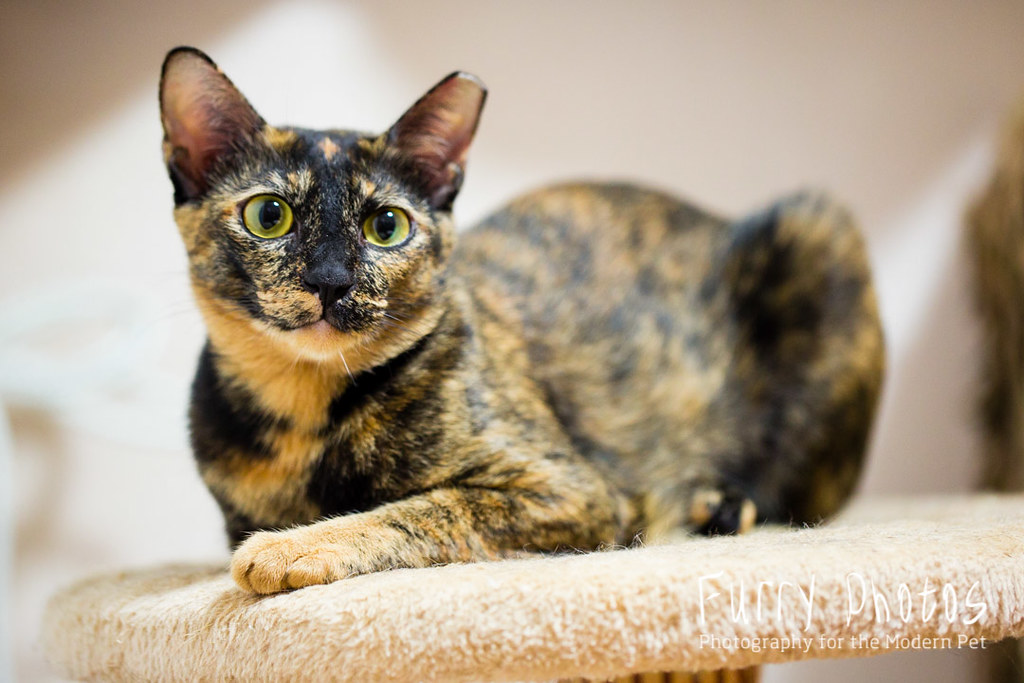
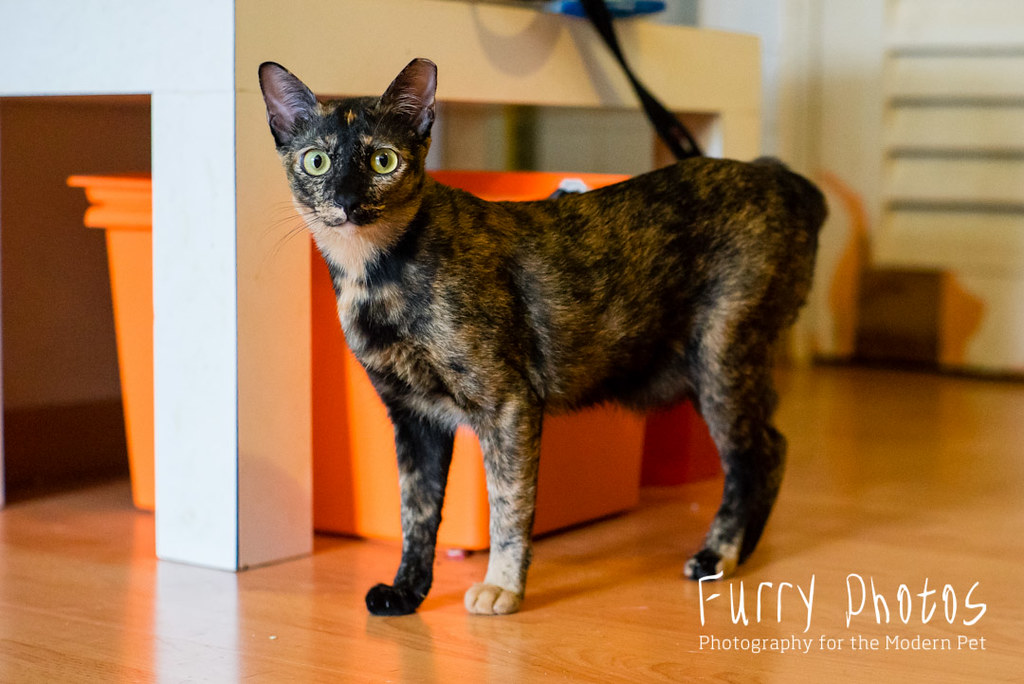
Echo wondered who all these people were and what were those lights for? It's so different than a normal photoshoot by Furry Photos who usually came by to take pictures of the cats that are available to be adopted.

It was Pornsak! He was hosting a new show, Secrets in the Hood, premiering on Channel U, 9pm on 6 August! You can catch it every Tuesday night. We don't know which episode Love Kuching will be in but if you miss it, it'll be on Xinmsn for Catch Up TV too.

Having cats walking around curiously on shoot can be really interesting. If you ever want to see how Love Kuching is run or listen to the volunteers, catch Secrets in the Hood! We'll try to repost or tweet when the episode with us is on if we see the promotional teasers for it.

What you don't get to see on TV is that the cats kept trying to get away more than usual. They would be so nice and huggable  but when the camera is on, they start to walk towards it!

And then other kaypoh cats will want to be in shot or meow when they usually would be quiet.

I don't know what is going on in this interview but we'll know...

Caption by our twitter friends, you can follow us too at @luvkuching


Make a financial gift via a deposit to our POSB savings account 188-52652-7. Find out more. Become a monthly giver to help ensure our rescues continue getting their needs met. Feed and provide litter to the cats we foster via our corporate sponsor The Water Dish.  Follow on us on Instagram, Twitter, Facebook and Pinterest.

Adopt Gurly

[Update Sept 2013: Gale has been adopted]
[Update Nov 2014: Garry went missing and has not been successfully trapped and brought back to the foster home]
Most recent picture of Gurly :)
Gurly is a sweet, purring, cuddly cat that is very shy and reserved. She loves older brothers as companions and would do best in a home with existing older sibling cats.

Gurly is a slim and petite cat
She has a small curved tail, is small in size and very kitten-like. She loves snoozing by (safe) windowsills and is actually very greedy!

Gurly used to be very close to her brother Garry (see below) but they ran out of the foster home one day and we could only find Gurly and bring her home safely. We have since then many weeks after found Garry residing in a drain nearby but he no longer recognises us and we are trying once again to regain his trust by feeding him whenever we can sight him. He hides in a drain at the next block, only coming out in the wee hours of the night. Since then, Gurly has gotten used to being without Garry even though she used to be very close to him. We believe it is because she still has older foster siblings here to accompany her.

She should ideally be adopted by a family that already has a cat. She is very submissive and respectful of older foster siblings here and will not be difficult to introduce to a household with older cats. Otherwise, she is just as contented getting her hugs from humans when she meows for them.


--


3 siblings rescued from abandoment in Geylang near Guillemard and now rehabilitated from sickness need foreverhomes! they were found with flea bites, flu' and diarrhoea, and are now completely recovered. Have been vaccinated, vet-checked, dewormed, and of course litter trained, socialised and able to eat solid food on their own. They are currently 3 months old.

130731_LuvCat_Garry_002

130731_LuvCat_Gurly_001

130731_LuvCat_Gale_002

Garry needs to be adopted with his closest sister Gurly as both are very playful and need to play with each other. Gale is less mischievous and is more of a cuddly girl that is satisfied with human companionship like purring on laps and being cuddled.

Garry is a hyperactive boy who enjoys play very, very much. A bit wilful but can be affectionate when he realises the humans around him love him. Gurly is like the female version of him, equally active, but more obedient and ready for cuddles. Garry is closer to her than Gale is because Gurly is able to match his speed and intensity for play. She is the greedier one compared to her brother, absolutely fun to feed.

130731_LuvCat_GGGplay_001


Gale is the sweet one in the litter. She likes cuddles and is a lapcat that's good with humans of all kinds and ages. She has the absolutely cutest ET-like face! She is also fun to feed and likes chicken. She walks around the foster home exploring like a tiny boss and loves to climb. She will be good for those who like quieter kittens that require less work.

All three of them get along well with older cats. They love their older foster siblings and won't take it to heart even when some of the older ones take a while to warm up to them. They are also okay with kids and are gentle. They love to play wrestle with one another, wand toys and playing on their own - soccer with toy balls and mice is okay for them especially the girls.

To adopt Garry and Gurly, or Gale, see right side bar under 'How to adopt' or click here. You will need to contact us with quick answers to 9 questions and after approval will be able to visit them with your whole family.

Unable to adopt? Click one of the share buttons below to email or post this on social media platforms. They will soon grow up and be unwanted so hurry and click away!

Saturday, August 3, 2013

Mulan, stray cat with IBD

Mulan is a tricoloured cat from Jurong West and was found ill by her rescuer Michelle of CWS. She was brought to Dr Poon at Island Vet in Jurong and thereafter found to have inflammatory bowel disease or IBD. This diagnosis was reached after many diagnostics were done including an ultrasound. She turns out not to have lymphoma (common cancer with related symptoms), thankfully. IBD is dangerous in that without management, the cat can go on to develop anemia, dehydration, not to mention daily pain from inflammation of the gut and behind.


Her IBD responded to limited treatments. Prednisolone, charcoal, but not other antidiarrhoeals or drugs for the digestive tract. She responds to herbal and nutraceutical treatments such as slippery elm bark and probiotics.

IBD requires a restricted diet. It should not be processed food like kibbles but she got a bit better on Hill's i/d which was a temporary diet for her. Canned food gives her diarrhoea too. The best option for IBD is a single protein source homemade meal. This will also minimise her need for medication. The recommended protein sources are chicken, venison, rabbit, lamb, or salmon. It has to be cooked to minimise the bacteria in the gut. It should be complemented with fibre which we do with oat bran (also recommended). The meat has to be fed with stock boiled from the bones for 2-3 hours, so as to make it complete with calcium as muscle meat alone is deficient in that. Once a cat does well on a homemade diet, the medication can be reduced.

Supplements that are recommended for IBD include slippery elm bark, curcumin, licorice, probiotics, digestive enzymes and l-glutamine. We also add in goldenseal, vitamins B, C and E, omega 3 and colloidal silver.

Mulan is a very vocal cat! Loves scratching her cardboard box to relieve stress. She has a bad habit of sleeping in her litter box and is often smelly with pee, kicking litter everywhere, that sort of thing.. She is doing well in that her poop is nice and firm with very little anal soiling. She is however not taking to the chicken we are converting her to. So now we are trying salmon. If she still doesn't want to eat that, we will try lamb. Once she takes to one protein source, we can consider adding in other ingredients like vegetable or fruit puree, rosemary for flavour.

Follow us on @luvkuching Facebook, Twitter and Instagram for updates on Mulan's IBD!

Wednesday, July 24, 2013

Love of Animals to Career Choice


Our volunteer team members are matched to portfolios that not only interest them and play to their strengths, but also develop them personally and professionally. Passion that reaps its rewards is what makes for a sustainable volunteering career. Here is the story of one of our Foster Care Volunteers, Riley.


From a very young age, I have always loved animals. My mother used to tell me a story from when I was two years old. When I would go out with my mother, I used to love to try and pet every stray animal that I saw. It didn’t matter whether it was a cat or dog. I simply wanted to share my love with the animals I encountered. One day, a dog tried to bite my hand off, but my mother pulled me away in time. I was bit startled, but unfazed, so I continued to play around with stray animals and my love just continued onwards.
I had always wanted to have a pet, but the day did not come until I was twelve years old. My mother’s friend and I brought home a gorgeous three-year-old female Basset Hound, whom I fell in love with at first sight. My second dog came along a few years later. Having animals in the house was amazing. Their unique personalities and beautiful faces just lit up my days. When my older one passed, it was one of the most painful experiences of my life and to this day, it makes me sad to think of the day I received the awful news.
My love of animals even extended to my eating habits. When I was thirteen, I decided to stop eating meat. Giving up beef was easy because I was scared of Mad Cow Disease. Giving up the other meats came about mainly when I thought about how the animal ended up on my plate and the suffering it had endured. Then, at the age of sixteen, I gave up seafood, when I realized those animals also suffer when they are killed. Finally, several months ago, I decided to become a vegan because I had learned more about dairy and egg farms, and I just hate the idea of any animal suffering on my behalf.
When I was younger, I had played around with the idea of becoming a vet, but never taking it too seriously because I was always weak in science when I was in school. Over the years, I wanted to volunteer at animal shelters back in New York, but I was too consumed with many things in my life. When I got to Singapore, I had the urge again to volunteer, so this time around, I went ahead and volunteered.  I had had enough of spending all my time being too involved in my day job, which I didn’t like very much anyway. I needed more happiness in my life.
I began to spend my Saturdays volunteering at the kennel for Action for Singapore dogs and at Love Kuching. I had always loved dogs and had the most experience with them, so volunteering at the kennel was an easy decision to make. Before joining Love Kuching, I had heard about it from a friend that had adopted her cats from there, but I was still unsure about adding to my volunteering schedule. Then, on one fateful night, I came across an injured cat, whom you all know as Nelly. My husband and I were the couple that passed the contact details of Love Kuching to the rescuers. That night changed a lot in me. Not only did I hate the fact that I did not know how to help Nelly, but I felt slapped in the face by the reality that I should just go ahead and make my love of animals into a career. That entire weekend, I was worried sick over Nelly until Elaine reassured me that she was fine. Over the course of that weekend, I had come to the realization that I want to make rescuing animals into a career and that I wanted to also join Love Kuching in order to help cats as well.
Currently, I am a Receptionist at a GP clinic and I have pretty much been in customer service my entire working career. Customer service has never been my passion. It’s just a role I’ve found myself in as a matter of convenience and also due to a lack of vision. The night of Nelly’s attack was a real kick in the butt for me and the experiences that I’ve had with all the cats and dogs I’ve met while volunteering have also opened my eyes.  In spite of having had an unlucky start at life, each dog and cat I’ve come across has shown to me a remarkable resilience. Without a helping hand, they would not have the chance to be so strong. I want to be one of those helping hands for animals in distress instead of merely crying about the situation. A career as a veterinary nurse would provide me with such skills to truly help, which is why I have ultimately decided that it will be my career choice.  Animals are precious and we should use our knowledge and open hearts to protect them from suffering.

                                         Gary sleeping soundly after his seizure.

                                          Balloon looking at me from his cage.

                                          Playing with Sunkist and Teapot.

                                          Gorgeous dog from the kennel being sweet as always.

                              Treasure is always an inspiration. Thriving even with a permanent spinal injury.

                                          Nelly all curled up for a nice nap.

                                           My first two dogs, Sassy (left) and Honey (right).
                           

Saturday, July 20, 2013

Disinfecting Your Home

Managing a cattery setting like ours means we really need to kill all kinds of infection often. Veterinarians recommend a bleach solution of 1 unit household bleach to 32 units of water for regular disinfecting, and we also use bleach as is when washing litterboxes. Bleach literally kills everything

We recently discovered a pharmaceutical grade disinfectant called Petsep that works the same way as bleach does. Only that this doesn't sting hands or stain clothes when used! We also like it for the fact that it comes in tablet form and it is therefore an end to carting heavy bottles of household bleach from the store. So all in all kinder for humans to use. It is also safe for cats to come into contact with as it can be used as a topical wound disinfectant.


How it works, is we add 4 tablets of Petsep to 1 litre of water and fill an old used empty bottle with it. We also have it in spray form for spot cleaning and we add some to the fleece blankets and pillows that cats use. One bottle of Petsep tablets contains 100 tablets so that's 25 litres of disinfectant. Rounds off to about $5 per litre of disinfectant if you want to compare it to hospital disinfectant (generic Dettol).

For handwashing, also very important especially because we don't want our volunteers or visitors to bring home any infectious diseases, we use a surgical handwash that uses 4% chlorhexadine, Bactishield. You can buy this from pharmacies. Cheapest would probably be at Pharmex at Kaki Bukit or Kembangan Plaza.

We try to err on the side of caution and be a bit paranoid about disinfecting. Never mind the humans getting diarrhoea from kitty poop, some foster homes have had half the cat population wiped out because of infection. Thanks to our volunteers, the foster space, cat suites and litterboxes are disinfected at least 3 times a week. Want to help? Join us for play/clean volunteering on Tuesdays, Thursdays or Saturdays. Every bit of effort counts!

Stories Of Our Newest Intakes

First newest intake is Dolce, a black boy kitten who is very lovely. He is now 12 weeks old.


He was dumped in Pasir Ris Park alone and meowing away hungry. Some people even removed him from the park and dumped him at a void deck elsewhere. He is very skinny and a bit weak. He arrived on 7 July and has been vaccinated and vet checked since. He spends too much of his time sleeping and so we have been socialising him as much as possible, introducing him to play and interaction with other cats so he can be more adoptable. However, a few days ago we caught him limping and found out that he seems to have hurt his shoulder, possibly through play which he is at a disadvantage at because he is skinny and weak. He has been resting that leg and we carry him to the litterbox and to the food. Cubby seems the most keen on making friends with him, and he likes her too. When he recovers we will put his adoption blog post up!


The next intakes came in a group of three, collectively known as the Guillemard kittens. Recently someone had dumped kittens in a park there and there were reportedly more than what we eventually rescued. We could never find the others. But there were 4 in a kindle, dumped together in that park, that our Sterilisation Volunteer, LY could confirm. Unfortunately by the time we could investigate this series of kitten dumpings, one kitten died on the nearby road. It is a single lane road but motorists on that road are very reckless and the lane is narrow. One of the security guards working nearby saw the accident.

The remaining kittens are with us now. They arrived on 11 July at 7 weeks old. They had fleas, and flu', and subsequently diarrhoea. They are now on metrogyl antibiotics for their diarrhoea and will be for another week or so. They have been vet checked and vaccinated too. Now on lots of supplements to treat all their ails. They are also getting used to human contact as the Foster Care Volunteers spend time hugging them (they love it).

Here they are: Garry is the red tabby boy who is the largest, Gurly the larger tortoiseshell gal and Gale is the smallest in size.


Next up are our latest two SPCA foster cats, Cleo and Aston. Sandy and Pickle went back on 12 July and in their place we got Cleo a lovely white and lavender tabby girl and Aston a handsome red tabby. Both are neutered and sweet cats.

Cleo had an abscess that burst and created an open wound and had to be on clavulanic/amoxycillin antibiotics before the vets consulting at SPCA can review whether she needs stitches. Her wound was inflamed and had pus but is now closing up almost completely.


We irrigated and medicated her wound, and managed her pain so she would eat and function normally. She was initially very moody because of the pain so we gave her tramadol, but she is one of the many cats that drool a lot when fed tramadol orally, so we bought the injectible version for her. We also gave her cyproheptadine to boost her appetite. She has since become calmer and more receptive to human affection and communication.


Aston likely suffered from an accident and the trauma resulted in nerve damage in his hind leg. As a result he drags his leg, cannot stand fully and also does not balance very well. The initial advice we had was to give him physiotherapy by encouraging him to walk so that the leg remains useful. There is no real 'cure' for this.


Unfortunately, because most cats that suffer from central nervous system disorder also have mood disorders, Aston is having symptoms of depression. He is lethargic, has poor appetite, and is very moody unless he gets hugs and massages. So physiotherapy is challenging. Also, his general weakness resulted in him getting the flu' and this exacerbated his poor appetite and energy levels even more. We put him on vibravet antibiotics and subcutaneous fluids to treat his flu'.


The only way to cure nerve damage is through veterinary acupuncture. We brought him to Dr Oh at Mt Pleasant branch at Katong and he was very brave about it that the vet could place as many needles as was necessary and for as long as needed. Aston became more alert and lively after his first session. He will need to see Dr Oh about twice a week till he can walk again.


The next latest intake is B1, a stray cat from Choa Chu Kang who was found lethargic and anemic by two of our Foster Care Volunteers Diana and Rashid on 16 July, Tuesday. They brought him to the vet and found out he has blood parasite infection (mycoplasma haemophilus) that he contracted through flea bites. This caused his white and red blood cell count to dip, and also elevated his liver enzymes, and he had a fever. He was put on vibravet and had to stay indoors for a while till he picked up in energy. We put Revolution on him, medicated him and treated his fever.


B1 is unhappy being indoors however, and consistently messes up his cat suite and meows day and night. Now that he is stable, Diana and Rashid are bringing B1 back to Choa Chu Kang to medicate him from there and get him neutered too as he is a newly dumped cat in the area.


Watch for updates on the newbies, the current foster cats and the kitties for adoption on our Instagram (@luvkuching), Twitter (@luvkuching) and Facebook (fb.com/luvkuching)!

Saturday, July 6, 2013

Goal 2014

In line with our long term goals into 2014 with includes incorporation, salaries and volunteer management, we have launched an independent crowdsourcing campaign to test the donor market to find out how to budget for employee benefits in 2014. This campaign will require actual contributions from the public in order to determine the budget for 2014.


We need your help in doing two things. First: go to the campaign page and gauge your response. If you feel it is apt to give, weigh how much you believe to be fair, and click the contribute button to give via your credit card. Second: share the campaign with your social circle using the share buttons on the campaign page. Because this is a survey of public opinion, we need this campaign to go out as wide as possible.


This will help us plan better for 2014, not only in terms of budget, but in a larger picture, how much greater we should grow in our cat rescue work, and at what pace. We appreciate you responding to this campaign!

Wednesday, July 3, 2013

Relieving The Euthanasia Burden Of Our Nation


Here are Sandy and Pickle, stray cats with flesh wounds undergoing rehabilitation with us. Besides their furry cuteness, their story is a spotlight on an important issue for all animal lovers.

Sandy and Pickle are from SPCA, as the first cats in our collaboration with our nation's primary animal shelter. We are helping to rehabilitate cats from the streets that need intensive care before they return or are rehomed by SPCA. While they have been here, we put them on Revolution, bathed and groomed them, apply medication for them daily and feed them supplements. Sandy is from Ang Mo Kio and Pickle from Bedok. Both of them likely suffer from wounds sustained through cat fights as they are not yet neutered. They came to us on 20 June and are returning to SPCA next week as their wounds are close to complete recovery already, Sandy a little slower at recovery because she refuses to eat her canned food with supplements and her wound is at a joint. They will be be neutered by SPCA and slots are being arranged to get either Pickle or both of them rehomed if not otherwise returned to their territories to prevent the vacuum effects caused by their absence.

Why are we doing this? To answer this means shedding light on why so many cats are euthanised at SPCA and what each and every person should do to change this statistic. Euthanasia should only be carried out if the cat is no longer able to recover to a point of basic functioning (eating, drinking, eliminating) without pain. Many sicknesses are treatable such that this condition is not applicable, but treatment requires resources.

Any rescue group or shelter can claim to be no-kill, but these are, us included, closed-admission shelters, meaning that when capacity is full, we turn away new intakes until space frees up. SPCA does not have the luxury of doing this as it is considered open-admission, meaning it cannot turn away rescues. All of us no-kill shelters have effectively shifted some of our euthanasia burdens to them. Cats euthanised unnecessarily at SPCA are our nation's euthanasia burden, shared.

You may not know it, but SPCA actively works to reduce the nation's euthanasia burden. The no-kill equation requires the following functions to be implemented in order to reduce the kill rate:


Looking at this checklist, you will see that a shelter needs to decentralise its intake load by working with external foster volunteers and rescue groups. It also needs to expend resources to rehabilitate pets so that they can be adoptable. Simply stopping or lowering the rate of putting animals to sleep will not solve anything and can in fact make for even worse outcomes. There were times when SPCA lowered its rate of euthanising animals. However, the capacity to rehabilitate them to full health, largely dependent on space - and - working with volunteer groups or individuals, could not match the shelter load. Many of these cats subsequently still died.

Because SPCA still does not have space for hospitalisation, rehabilitation of unwell but treatable cats simply must be farmed out to reduce unnecessary euthanasia. This is why they recruit foster parents which you can sign up for. Groups like us can take more than one cat to rehabilitate at a time, and for a greater range of ailments because of our specialty. When we foster a cat from SPCA, it means it doesn't have to die. This means that you helping to foster a SPCA sick cat is literally a determinant of life and death of the cat.

Next week when Sandy and Pickle return to SPCA, we will take on another two more sick or injured cats to rehabilitate. We are endeavouring to make this long term. Saving lives two at a time. Doesn't seem like much, but we hope that in doing so, we also spur people on to sign up with SPCA as foster parents. Because unnecessary euthanasia is not SPCA's burden to carry: it is the burden of all pet lovers across Singapore. Let's do this together.

External links: SPCA www.spca.org.sg No-Kill Advocacy Center: www.nokilladvocacycenter.org

Thursday, June 27, 2013

About Liver Failure In Cats

Pablo passed away in his sleep suddenly this morning.

Through him we have learnt wealth of knowledge about liver failure, and in his memory here is a summary of information on liver failure in cats and the care required.

Liver disease symptoms:
Jaundice (yellowing of the eyes, urine, skin most visible on ears)
Ascites or bloated stomach that is the accumulation of fluid
Weak and lethargic
No appetite
Underweight
Vomitting and diarrhoea
Drooling
Enlarged liver felt upon touch
Pain in abdomen
Excessive water drinking
Cat leaning head against wall as if having headache
Confusion, seizures
Coma

(Pablo had symptoms 1-5)

The most common cause of liver failure is hepatic lipidosis, a condition unique to cats. Other causes include poisoning via chemicals such as insecticides, acetaminophen (human medication toxic to cats), xylitol (artificial sweetener toxic to cats), medication overdose.

Hepatic lipidosis has many causes itself. One is when a cat goes without food for more than 2 days due to excessive vomitting, anorexia or neglect. Other feline illnesses also can cause hepatic lipidosis: hyperthyroidism, diabetes, urinary tract  infection, obesity, even cat flu'. About 15-20% of cases have no obvious cause.

In layman terms, when the liver fails, the body cannot metabolise proteins into the essential amino acids, and it also cannot detoxify. This means that a cat with liver failure will require supplementation of amino acids, antioxidants and essential vitamins and minerals it would get with a healthy liver that can obtain from food.

Treatment:
Fluid therapy through IV drip or subcutaneous injection
Feeding tube if cat does not eat on own
Supplements

If cat survives the first 4 days, 85% go on to recovery. Recovery may take 2 to 3 months of intensive home care. If cat also has pancreatitis, prognosis is poor.

Home care:
The only medication usually prescribed for liver failure is Onipural. The other is actually a supplement known as Zentonil. Both require veterinarian prescription.

Food must be free of carbohydrates, high in protein, low in fat, supplemented with essential vitamins and minerals. Feedings should be throughout day instead of just one meal a day. It should be wet food not dry food. If the cat has neurological signs such as seizures and confusion, ammonia production in the body must be reduced through lowered protein or renal diets from vets.

Appetite stimulant such as cyproheptadine (obtained from vet) will help a cat already able to eat on own.

If cat has gastric ulcers, the vet should also prescribe gastric medication such as ranitidine.

If the cat also has seizures or confusion, antibiotics such as metronidazole may be prescribed.

Essential vitamin supplements required include vitamin B, C and E. No specific doses of vitamin B and C available; use a pet vitamin or give half the stated dosage on human grade supplements. Vitamin E is advised at 10IU per kg of body weight per day.

Amino acid supplements required (suggested dosages based on available literature):
Taurine 250-500mg
Carnitine 250-500mg
Arginine 2.5g

Antioxidant supplements required (suggested dosages based on available literature):
SAMe (S-Adenosyl-Methionine) 20mg/kg of body weight
NAC (N-acetylcysteine) 70-140mg/kg of body weight

Herbal supplements (dosage is half the stated dosage on human grade products or as prescribed by vet):
Milk thistle - improves liver function
Dandelion root - detox function
Burdock root - detox function, diuretic
Slippery elm bark - for cats who present vomitting symptom

We find that digestive supplements are also useful:
Probiotics
Digestive enzymes - especially helpful if cat also has pancreatitis

Neurological supplements:
St John's Wort - improved mood and calming effect
Skullcap - improvement on confusion or seizures, calming effect

We get all our supplements from iherb.com (if you also need them, get USD5-10 off your first purchase from the site by using our discount code AVA985). Feed them mixed in food or make into a suspension and syringe feed. All herbal supplements need to be administered 3 hours before or after pharmaceuticals to prevent counteraction. If taste is repulsive to cat, reduce dosage.

Thank you Pablo for giving us all this knowledge. We miss you already. Wish we could have done more for you.


Sources: 
1. Plumb's Veterinary Drug Handbook 7th Edition 2011, Donald C. Plumb
2. Cat Owner's Home Veterinary Handbook 3rd Edition 2008, Eldredge et al

Tuesday, June 25, 2013

Longevity and Succession in the Cat Rescue Business

We have been in the cat rescue industry business for 5 years thus far and we don't intend to abate. This means that we do have a strategy for ensuring Love Kuching continues to be around until there is no longer a need in cat rescue that we can rise up and meet. This is going to be a long read, but it will share with you the plans that will ensure Love Kuching's survival and commitment to cat rescue.

Incorporation
From the day we decided to become an entity for local cat rescue, we looked forward to becoming a legal organisation. Not only does incorporation solidify our existence on paper, it creates greater accountability to donors and greater access to resources from both the government and the public. We have not stopped working on our plan for incorporation. At this moment in time, our Admin & Donor Care Volunteer, Molly, is mapping with Co-Founder Elaine the pathway to incorporation. Financial transparency is one of our core motivations in moving incorporation forward. Through incorporation, there will exist greater internal controls to prevent fraudulent activity. Any occurence of fraud in charitable work is instant death for the cause. Every move towards minimising opportunity for fraud is a step towards ensuring more felines in need can be cared for.

Volunteer Management
With the recent increase in spatial resources via the new foster space, we have been able to focus more on recruiting volunteers to increasingly better our fulfillment of cat rescue objectives. Volunteer management is critical because of various critical reasons. Firstly, donor perception of a non-profit organisation with a reliance on volunteers is that the NPO does not squander resources on salaries and vendors unnecessarily. Secondly, effective volunteer management goes beyond publicising a call for help on social media and delegation of duties; it means providing a good volunteering experience for valuable volunteers to ensure volunteer retention and a growth in volunteer recruitment. Thirdly, statistics in non-profit industries show that most volunteers also become donors, hence volunteer management is closely tied up with fundraising - the key to an NPO's very survivability. Volunteers are also closer to the inner workings of the cat rescue business, and therefore become more educated about cat care and welfare and become advocates in their social spheres of influence in furthering the cause. This is especially important because the 4th tenet of Love Kuching's mission is to share with cat owners on cat care in order to improve the welfare of pet cats.

Staff
Cat rescue is a service-oriented industry and therefore eventually we will have to pay for good labour. Not only will this improve the perception of our commitment to cat rescue work, it also prevents fraud. Fraud occurs when the fraud triangle exists: opportunity, motivation, rationalisation. A properly compensated worker will be less able to rationalise fraudulent activity because he or she will seldom feel, "I do so much for this organisation but receive too little, so taking some spare change is okay." Likewise, the motivation factor that is financial burdens on a person working in an NPO is managed better because a salary will be able to help a person pay his or her bills. An ethical and organisationally just compensation scheme is also more able to attract and retain talent that is crucial for serving the cause further. This ensures longevity of Love Kuching in the cat rescue industry. At present, Andy is working a full-time job and serves at Love Kuching on a part-time daily basis. Elaine works for Love Kuching full-time and works for herself on a freelance basis. Plans are in the works to be able to fund a three-figure combined monthly salary for both humans, the framework of which can be copied for any staffing needs in the immediate future. More details soon.

Leadership
Infrastructure and mentoring will eventually lead to founders Elaine and Andy being 'out of a job' - this is good leadership. Love Kuching should one day be able to thrive without the founders doing anything more than an advisory role. How this happens is through leadership that multiplies and perpetuates the skills and values of our work today. By multiplying ourselves through leadership, we make sure that more and more people who can carry out the mission of Love Kuching will be built up. As founders, our goal is to eventually see Love Kuching auto-pilot its mission. We believe that leadership goes beyond delegation of duties; it is about building a legacy that can exist even without its founders.

If you managed to read this far, thank you. Knowing the long term goals and guiding principles of any charitable entity is very important in helping you choose whether or not to support its cause. This is why we are sharing our longevity plans. Will there be dedicated folks tomorrow at Love Kuching to love the cats in our lives and neighbourhoods? You bet.